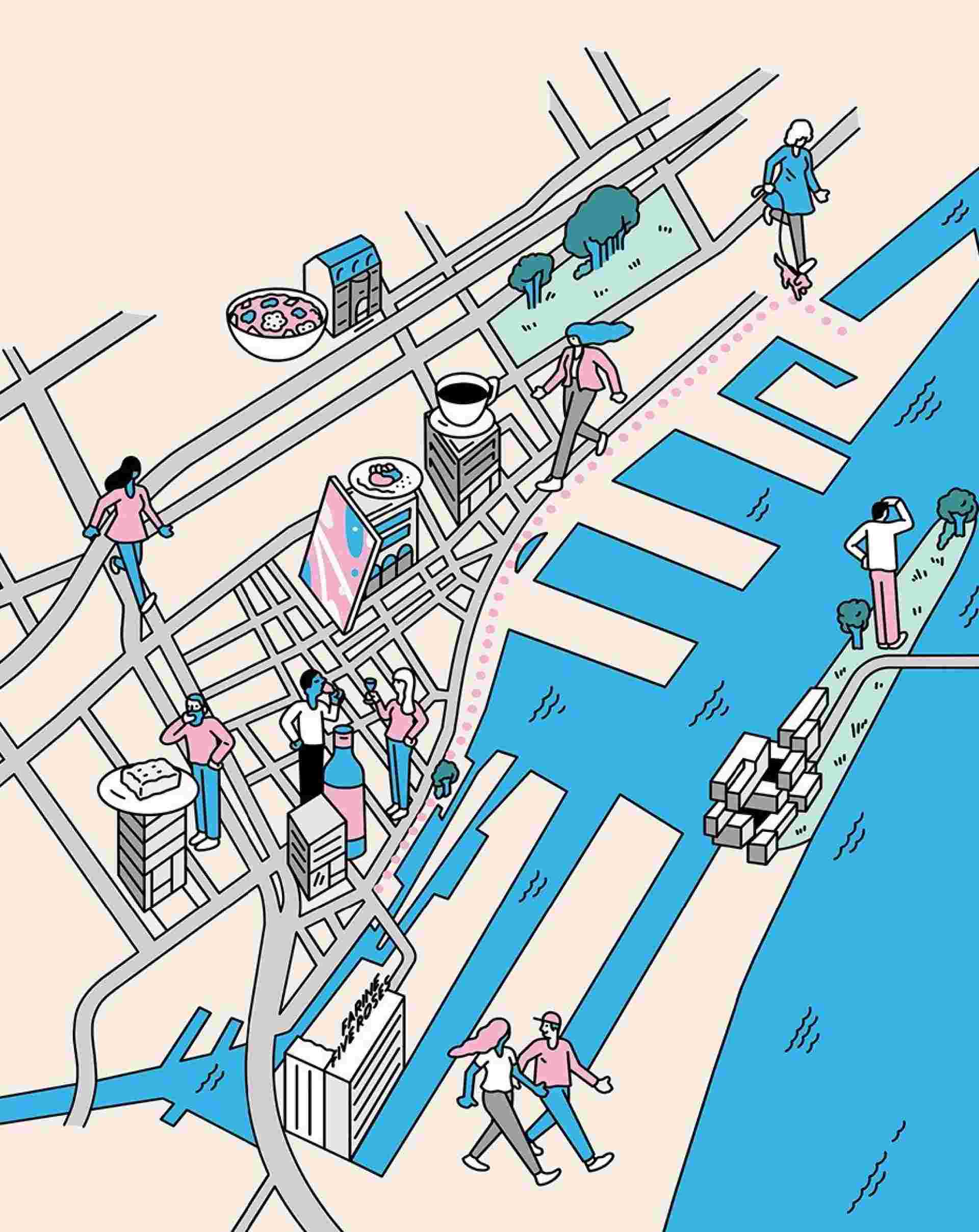
111 Robert- Bourassa
Sights and strolling around Montreal’s Cité Multimédia
BY: Tina Knezevic
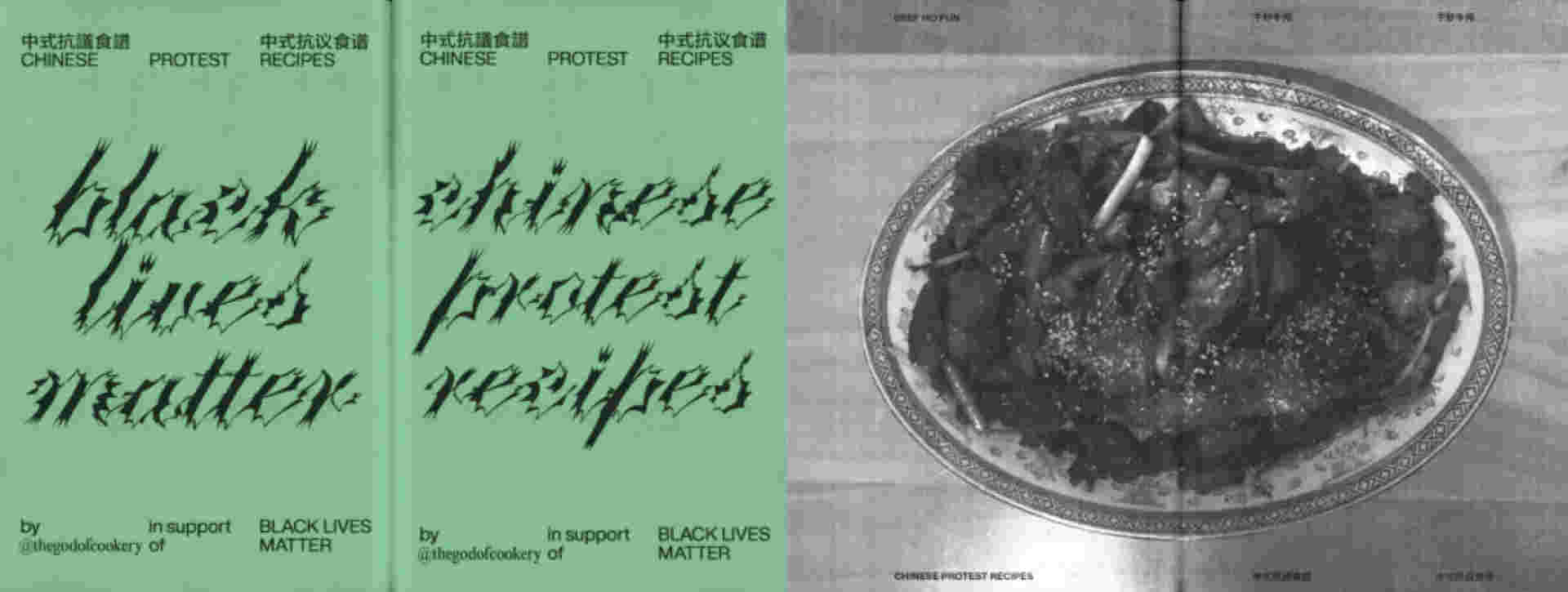
The book uses several typefaces, but New Diane, used for the recipe titles, is the most striking. Tau says it has an exaggerated energy, much like martial arts or Chinatown signage. He loved it immediately for its dramatic and decorative qualities and called it the “crazy dragon font” during production.
Pictures of Chinese dishes are juxtaposed with historical protest imagery. Tau says their visual relationship isn’t always immediately clear. It’s only when you read Kwan’s words that you understand how the images relate to one another, highlighting issues the book speaks to—like the appropriation of Chinese food.

The recipes don’t contain quantities. Instead, readers are encouraged to cook by “taste, common sense and good judgment,” like Kwan’s ancestors did. The advice also applies to how we choose to eat— descriptions ask readers to explore BIPOC food without “othering” it, to more deeply understand one another.
The cookbook can be downloaded as a PDF but is also available in Risograph printed form (by Vide Press in Toronto). Invented in the 1980s in Japan, Riso embraces textures and small imperfections as part of the printing process. That plus all the interior pages in black and white—a throwback to zine subculture—gives the publication its authentic vibe.
Sights and strolling around Montreal’s Cité Multimédia
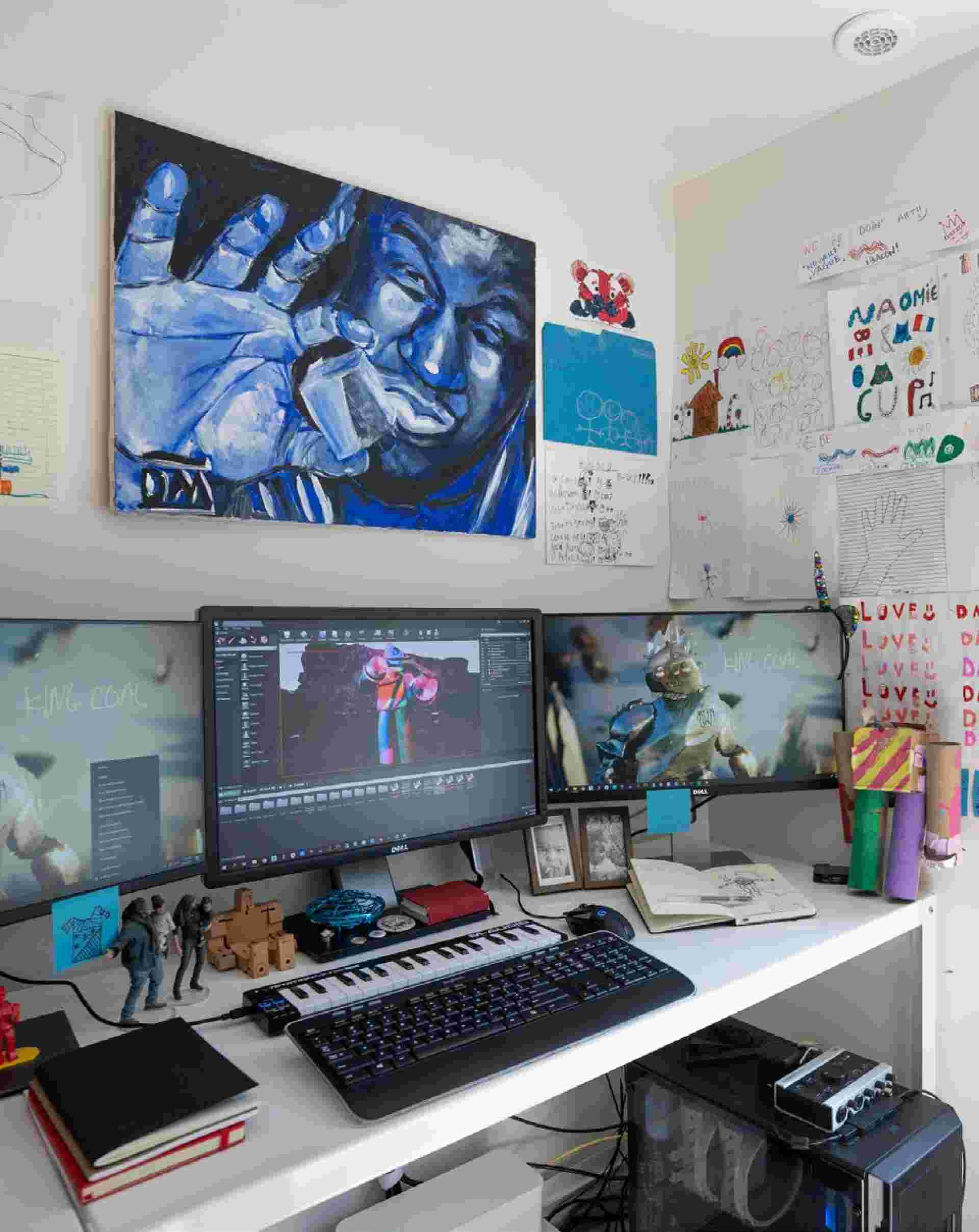
Multimedia designer Yusef Frasier’s multi-use, work-from-home situation
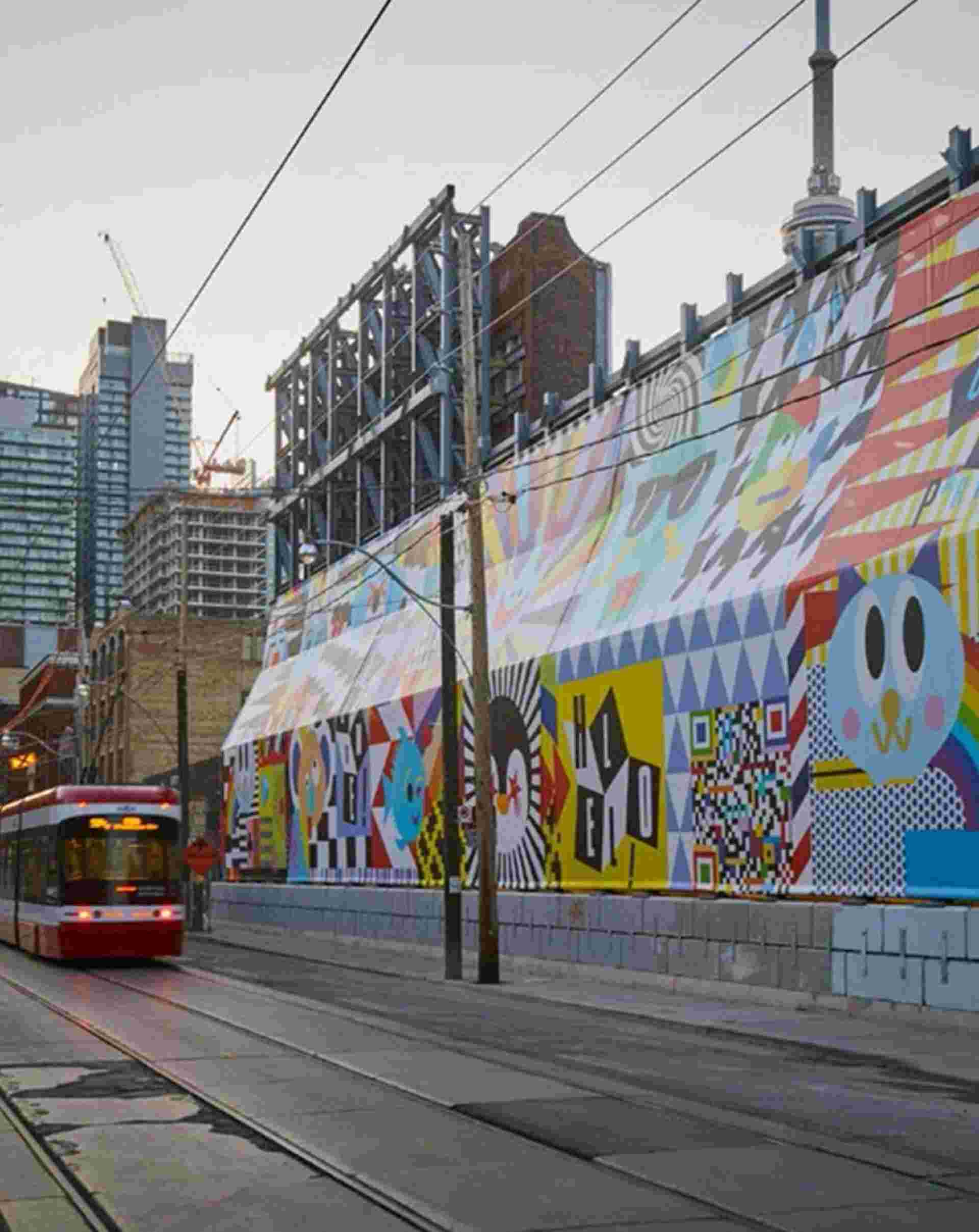
Douglas Coupland’s frenzy of emojis for Allied and Westbank’s latest collab

Kitchener’s Tannery District remains a beacon of industriousness

