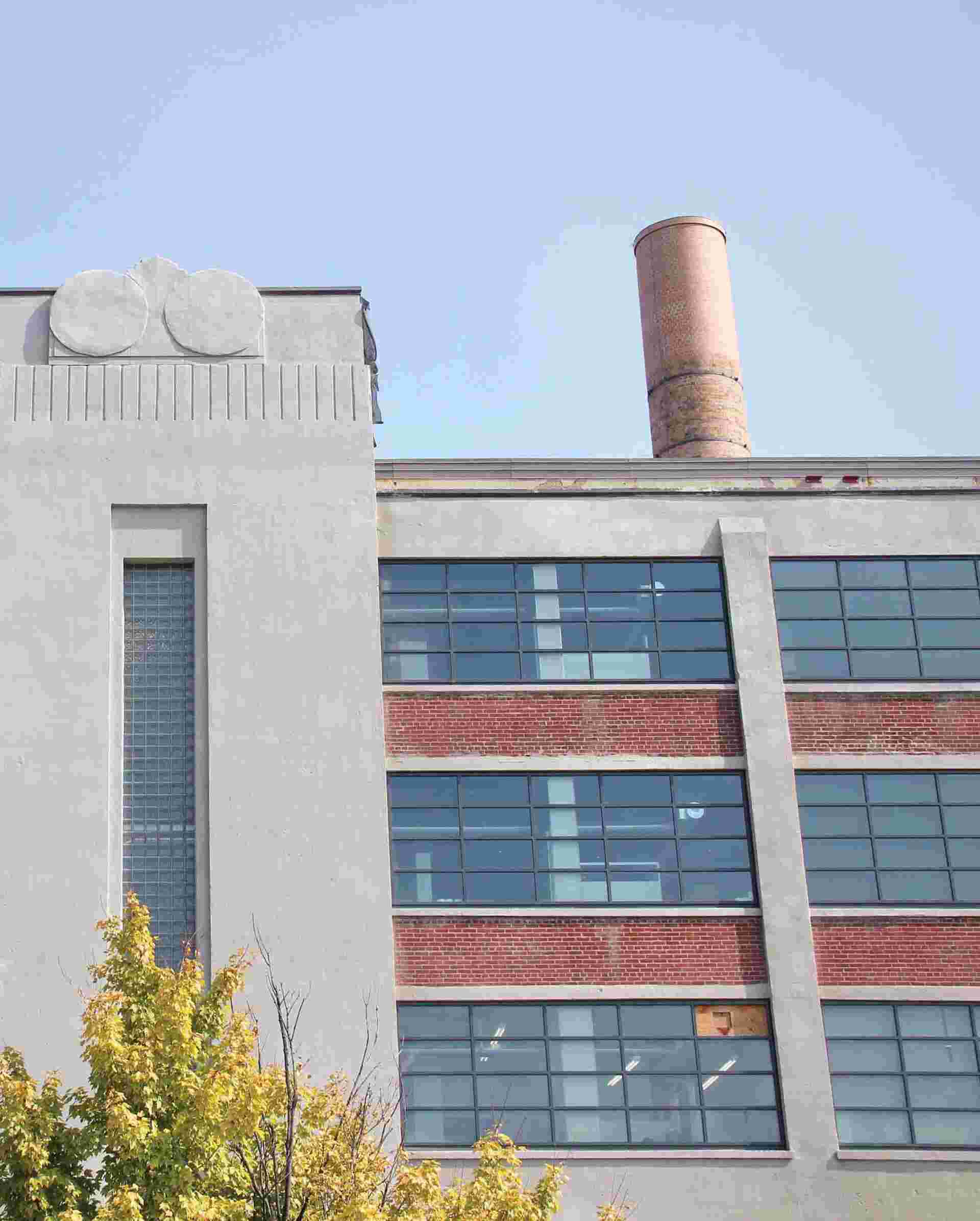
The Starting Block 31
Starting Block Reflecting on this issue’s theme: sound and music.
BY RICHARD MARSELLA AND DONALD SCHMITT
PHOTO COURTESY OF DIAMOND SCHMITT ARCHITECTS
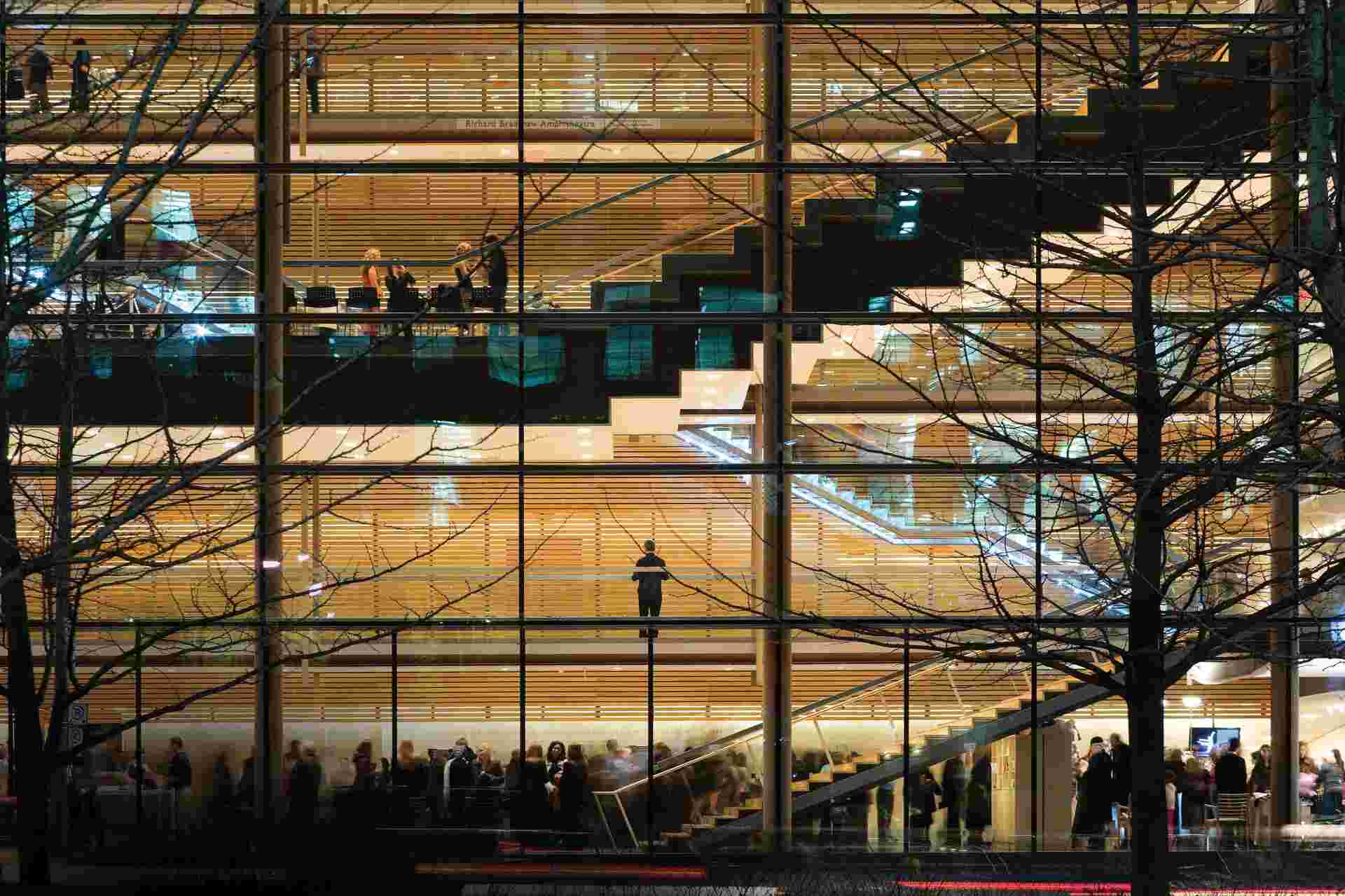
The City Room of the Four Seasons Centre for the Performing Arts in Toronto is highly visually accessible from the street.
Donald Schmitt: As part of the urban redevelopment and revitalization of Regent Park—a diverse community where well over 60 languages are spoken and a place of arrival for many new citizens of the city of Toronto—one of the key opportunities or essential pieces of infrastructure that was thought about was a place for arts and culture. A particular focus emerged on music education. What had been previously known as the Regent Park School of Music, [which] operated out of quite a small [space], had the opportunity to grow and develop and reach out more fully to the community.
Richard Marsella: One of the tenets of community music is access; removing all barriers—knowing how expensive music lessons are in a city. All of the programming that we’re offering at Community Music Schools of Toronto is completely free. And when I look at space, Don, you were talking about our old row house on Queen Street, which was very humble—nothing was soundproofed. It was kind of charming that you’d hear the drums in the basement, guitar and piano on the second floor and early-childhood music in the attic. Then we move into Daniels Spectrum and all of a sudden we’ve got sound isolation in each of our studios. We have much more space, and it’s all accessible; wide hallways, a recital hall. It really levels us up. There was a surge in students; we more than doubled our student population. We’re currently reaching about 550 kids—children and youth ages 3 to 18—here in Regent Park alone.
DS: It was a space designed with the same acoustician and theatre consultants that we worked with on the Four Seasons Centre for the Performing Arts. So it was treated as a very serious level of space, with a whole range of smaller theatre and teaching spaces. That sense of taking it very seriously, making it accessible and bringing communities together is, I think, very important to community development and community vitality.
RM: Space is really everything, when you look at what you can achieve with this community-music model of being completely free to a neighbourhood. We’re dreaming equally as big for Jane and Finch as we have been in Regent Park and looking to build a brand-new 5,000-square-foot building with Diamond Schmitt. It’s amazing to do it with architects and a whole team that really get what our dream is and are able to collaborate with us to achieve that. When we first moved into [Daniels Spectrum], people were like, “It’s so regal.” Well, our kids deserve it.
DS: That’s it exactly. That’s what’s important about building at Jane and Finch or why Regent Park has been successful; it’s the same quality of spaces, at a different scale and so forth, but making that central to different communities.
Also, the city has these high temples of music culture: the symphony, Koerner Hall [at The Royal Conservatory of Music] and the Four Seasons (that we did). But it’s important that they’re not seen as places that are elite for only a small group of the community—that they engage across all communities, all economic strata in society.
“Musicians thrive in an environment where they can have an immersive relationship with the audience.”
DS: The design of performing-arts spaces can blur the distinction at the threshold, make it easier for people who may be intimidated about going to a performance because “I don’t know when to clap” or “I might not be wearing the right stuff,” to make a physical connection between artists and the public. In the City Room at the Four Seasons, we were able to really bring the [performance] space to the sidewalk using transparency. [Then] talks and events and free lunch concerts [can connect to] the public realm and do so in a way that provides lots of vitality for the orchestra and the performers.
That’s one of the things we’ve learned: musicians thrive in an environment where they can have an immersive relationship with the audience. At the New York Philharmonic’s Geffen Hall at the Lincoln Center, before we renovated it, it was a proscenium room and the musicians couldn’t hear themselves—they felt a real isolation from the audience. We rebuilt it so the stage was surrounded by the audience. It’s wonderful for the audience to see the creativity and musicianship of the orchestra or the ensemble, but it’s also really fabulous for the musicians. They draw energy and spirit from that.
Developing that immersive relationship between artist and audience is not only important in the hall but [also] important between the institution and the city beyond—that sense of connecting to the community and making the big performance places community crossroads in the city.
RM: I love that mantra. With that in mind, with every space you approach, how can you go wrong? It doesn’t stop with you; the programming teams at these spaces bring [them] to life, but you’re giving them, if I can use a musical term, an instrument for them to play on. Students and graduates of our program have performed at the Four Seasons on a number of occasions, so I see how it is working the way you had intended.
DS: In a way, it’s all connected to the point that you were making about access, making it comfortable for people to cross the threshold, to get engaged, without compromising the quality of the rooms as instruments for music.
RM: Through the pandemic, we saw what the opposite side of that spectrum looked like and, sure, we got creative in virtual spaces, learning and adapting, but there is nothing like an accessible world-class, well-designed space for gathering and making music together—in a room. It became so obvious when we came back to it. It’s crucial to being that soul in a community.
If it’s approached and designed properly—not only the space but the people [who] occupy the space (I keep going back to that)—I think you really have a formula for long-term impact in a community.
DS: That relationship of being with the musicians who are making the music—whether it’s a big room with 2,000 seats or 40 people at the Monarch Tavern, there’s always that thrill of connecting with the process of making music, the artistry and energy and immediacy of it. That’s why live music will never lose its magic.
Starting Block Reflecting on this issue’s theme: sound and music.
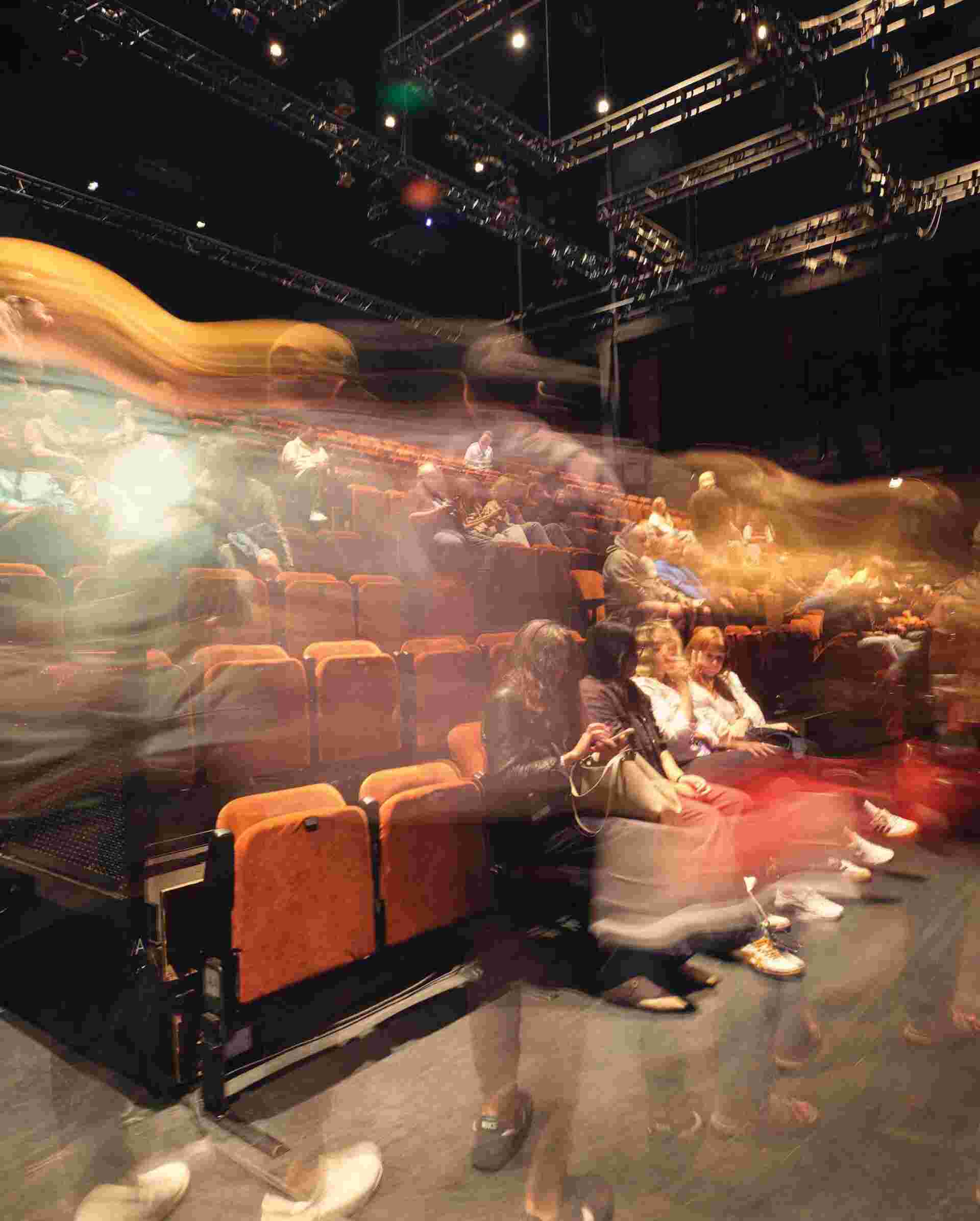
The Moment A live recording and conversation at The Grand in Calgary.
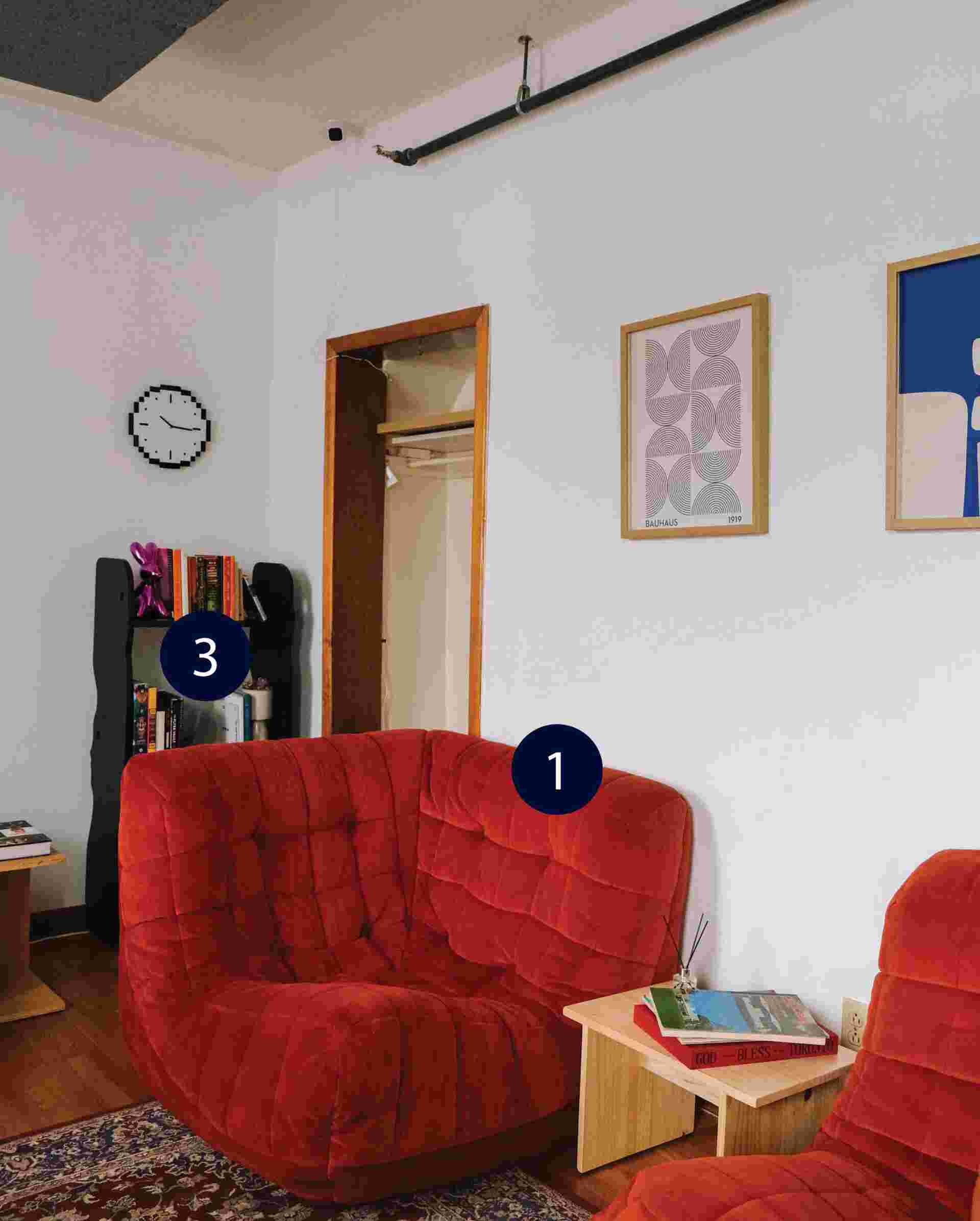
My Space A Toronto DJ rehearsal space that takes craft seriously.
The Business Making performance more accessible with the Inside Out Theatre’s Col Cseke.

