
Plant-based Salmon by New School Foods
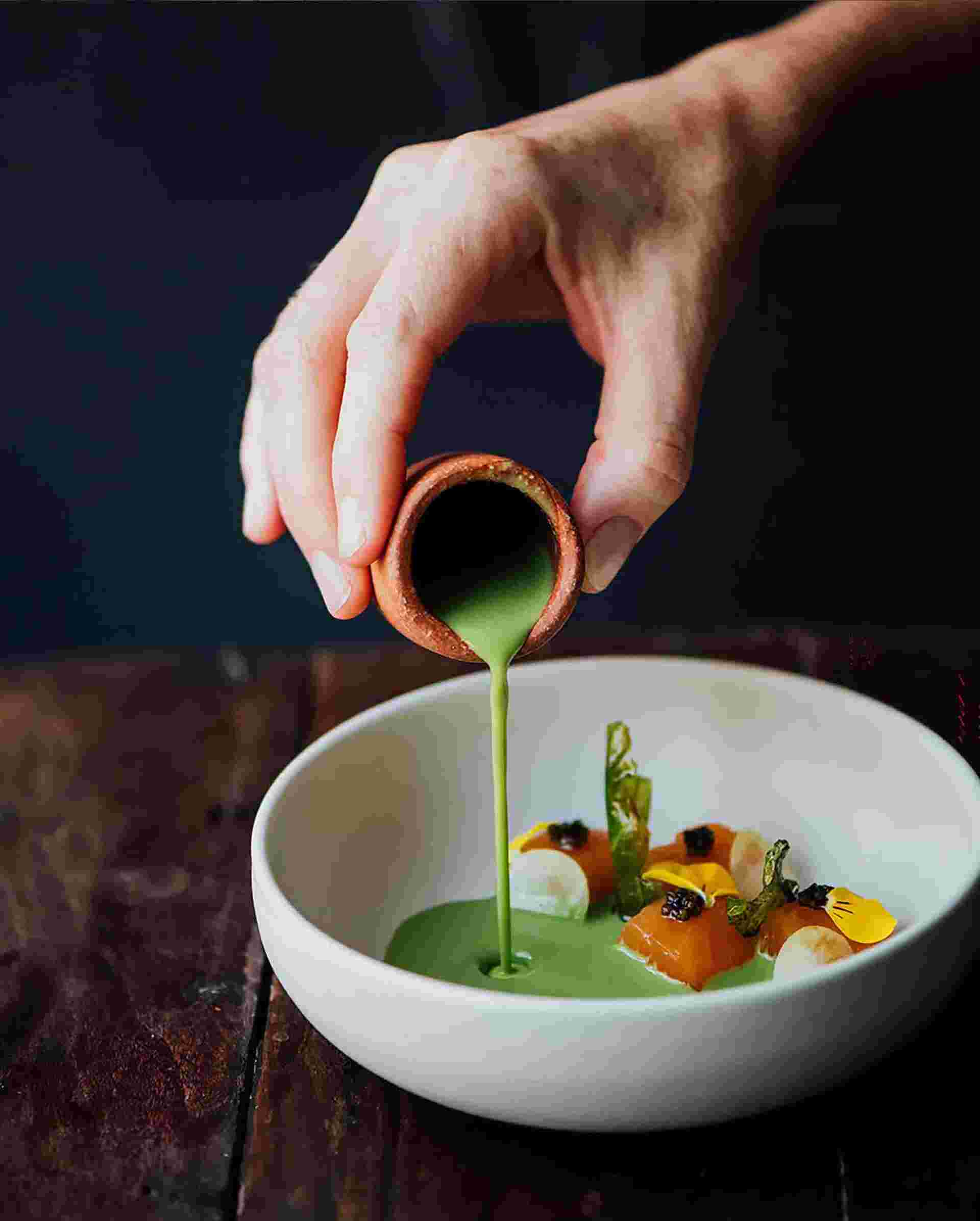
Made New School Foods perfects the flake in plant-based salmon.

By Camilla Sampson
Photos courtesy of CHEYENNE SUNDANCE
To provide an essential element of human life—food—a successive generation of farmers is a constant need. Yet inequities in land access and start-up funds are seemingly immovable obstacles for some would-be growers. These barriers to entry are what Cheyenne Sundance, a Black 28-year-old farmer from Toronto, has sought to tackle both for herself, with her farm Sundance Harvest, and other marginalized young farmers through the non-profit Sundance Commons.
Sundance’s initial farming experiences came during travels in North America and Cuba to organic farms under work-and-stay-for-free agreements. Here, she witnessed a glaring imbalance: “I was doing too much labour for a cabin and a little cot; it didn’t feel ethical.”
Once home, armed with a resolve to disrupt the agricultural status quo, she started her own farm in 2019. But accessibility and stability issues for aspiring farmers lacking generational wealth immediately reared their heads. “I was paying thousands of dollars to lease 1.5 acres [in Toronto]. I couldn’t plant perennials; it was year to year. [Farming on leased land] costs about double what my mortgage costs now,” she says.
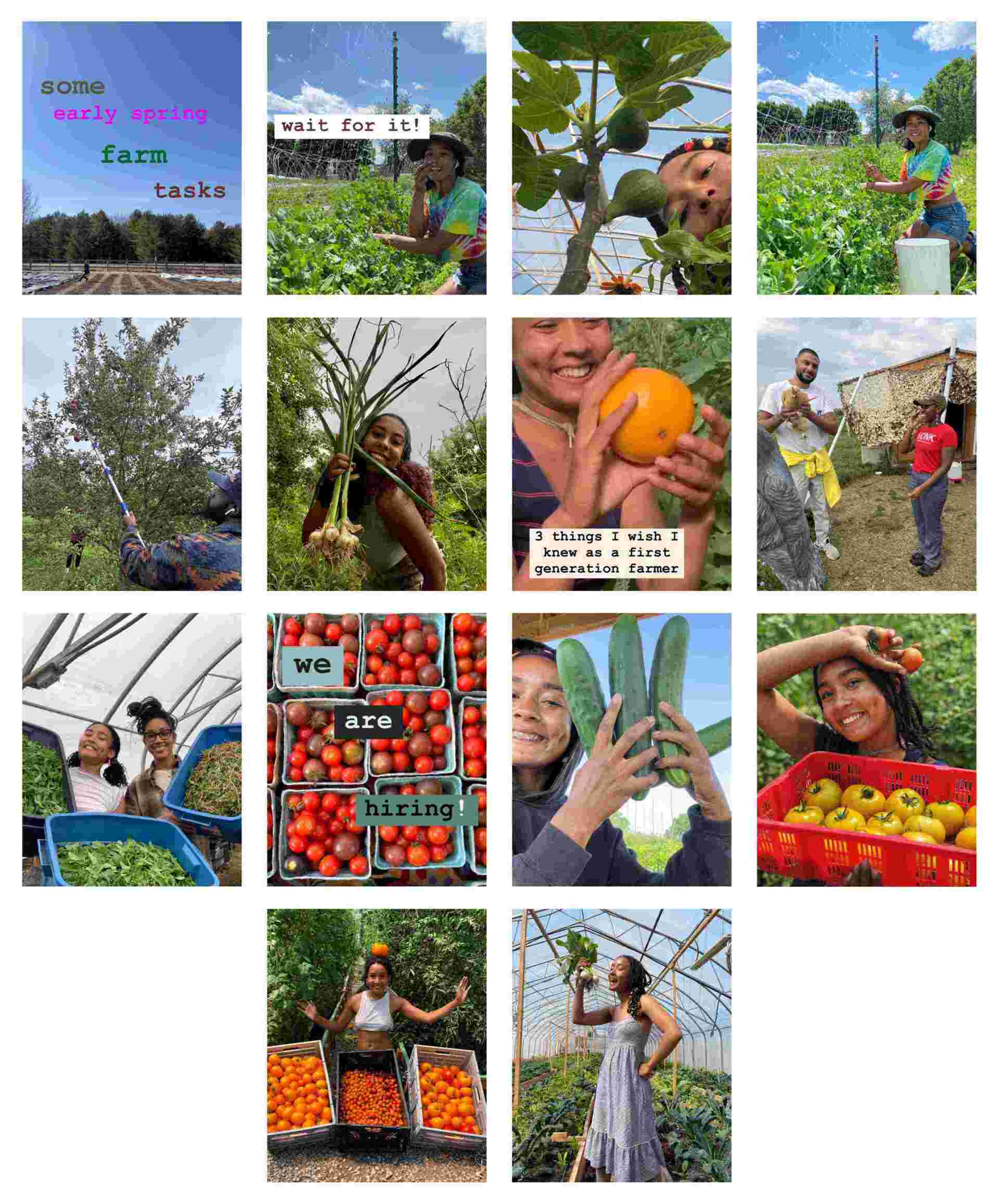
Cultivating an online community while cultivating vegetables, Sundance has been sharing the process of starting her farm and non-profit on Instagram for years. Over 30,000 followers have tuned in as she shares her life from harvesting cabbages to giving tips to other first-generation farmers.
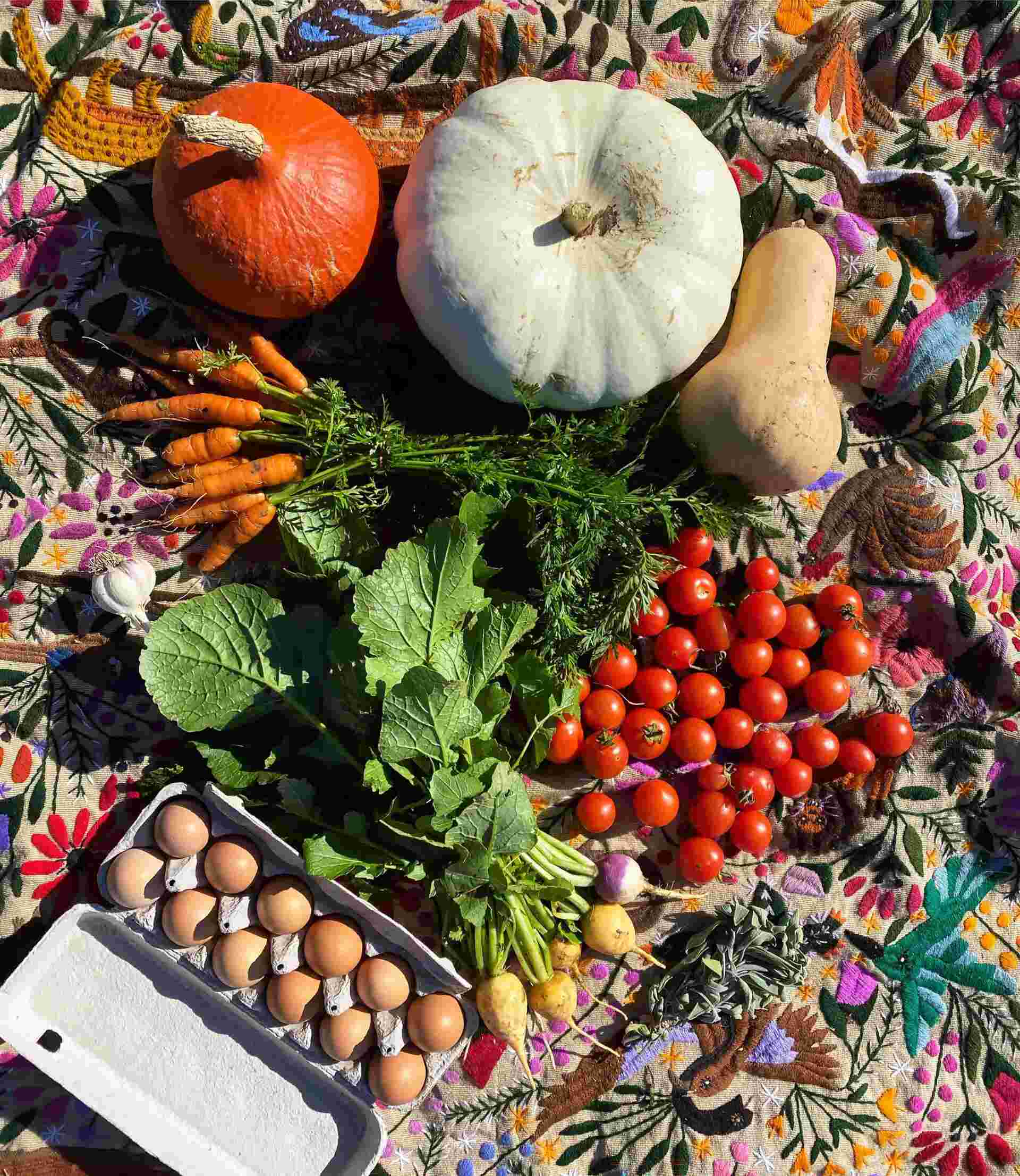
Sundance Harvest runs a Community Supported Agriculture box (CSA), which provides subscribers with enough fresh vegetables, fruit, eggs and mushrooms—and sometimes herbs and flowers—for two people each week, bringing consistent income into the farm and supplying locals with affordable healthy food.
Meeting Jon Gagnon, a farmer who lives in an ecovillage (“He’s my mentor if I was to say anyone is,” says Sundance), in 2022 was the catalyst for co-founding Sundance Commons, an agricultural non-profit now operating four farms in southwestern Ontario. Inspiration came during a road trip through North America: “We started seeing examples of farming and community—all these cool cooperative farms. We began taking some of these ideas and in the fall of 2023 had a luncheon to launch our idea.”
Today, thanks to support from the Ontario Trillium Foundation, donations and partnerships with organizations like FoodShare—which supports BIPOC-led grassroots organizations with things like strategic planning, financial management services and resource sharing—Sundance Commons offers training and programs that provide access to land, mentorship, equipment and other supports to new farmers at no cost and invites curious individuals to give farming a go. “There should be more spaces for people to try things out and fail. People are so scared of failing,” Sundance says.
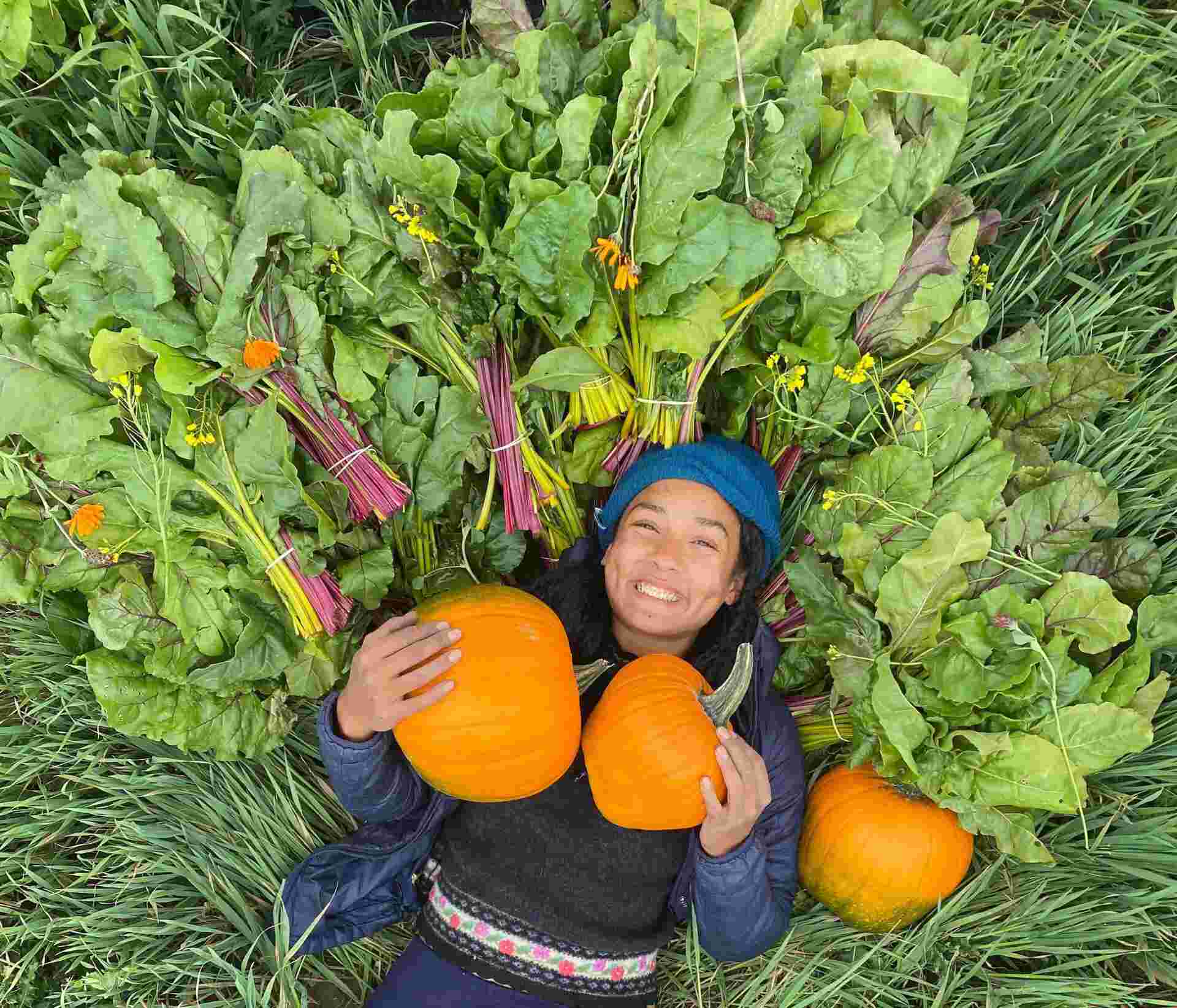
Cheyenne Sundance muses that the romanization of “back to the land” is back in the zeitgeist. From a movement started in the 19th century as a reaction to unchecked capitalism to the counterculture era of the 1970s to a present-day desire to be self-sufficient and stop contributing to systems that have harmed society and the environment, she sees a recent emergence of market gardeners as a wink to the past.
Sundance Commons also facilitates an incubator program that provides successful applicants with agricultural land to farm long-term, creating viable careers and locking in land access for marginalized farmers for years to come. “The great thing about the Commons is it’s free,” says Sundance. “To the best of our knowledge, there isn’t an incubator site in Toronto that offers free land access, tools and training.” Sundance Commons specifically serves people who face barriers to agriculture. “So, if someone already has land as an asset, it’s not for them.”
And the future of the land if a member decides farming isn’t their thing? “The Commons makes sure the land relationship isn’t lost if someone gets to the end of the year and doesn’t want to continue farming. After putting all that time and energy into building beds and composting, it can go to someone else. I think that’s a beautiful cyclical relationship.”
After leasing plots for five years, Sundance was able to purchase a two-acre farm with a house on it in Mount Forest, Ont., in 2024, proving that land and food security are possible. The farm, where flowers, fruit, herbs and vegetables are cultivated, is a living-wage employer and a site for Sundance Commons programming.
Luckily, for now, the future of Sundance Commons appears stable thanks to Sundance’s adeptness at securing funding and the organization’s commitment to keeping running costs low. And while Sundance now owns her own home and farmland, she still feels a responsibility to create opportunity for others. “If anything, I care even more,” she says. “I’m very passionate about making more space.”
Made New School Foods perfects the flake in plant-based salmon.

Artist’s Block Sameer Farooq’s block is a comfort (food).
Starting Block On this issue’s theme: food and drink.
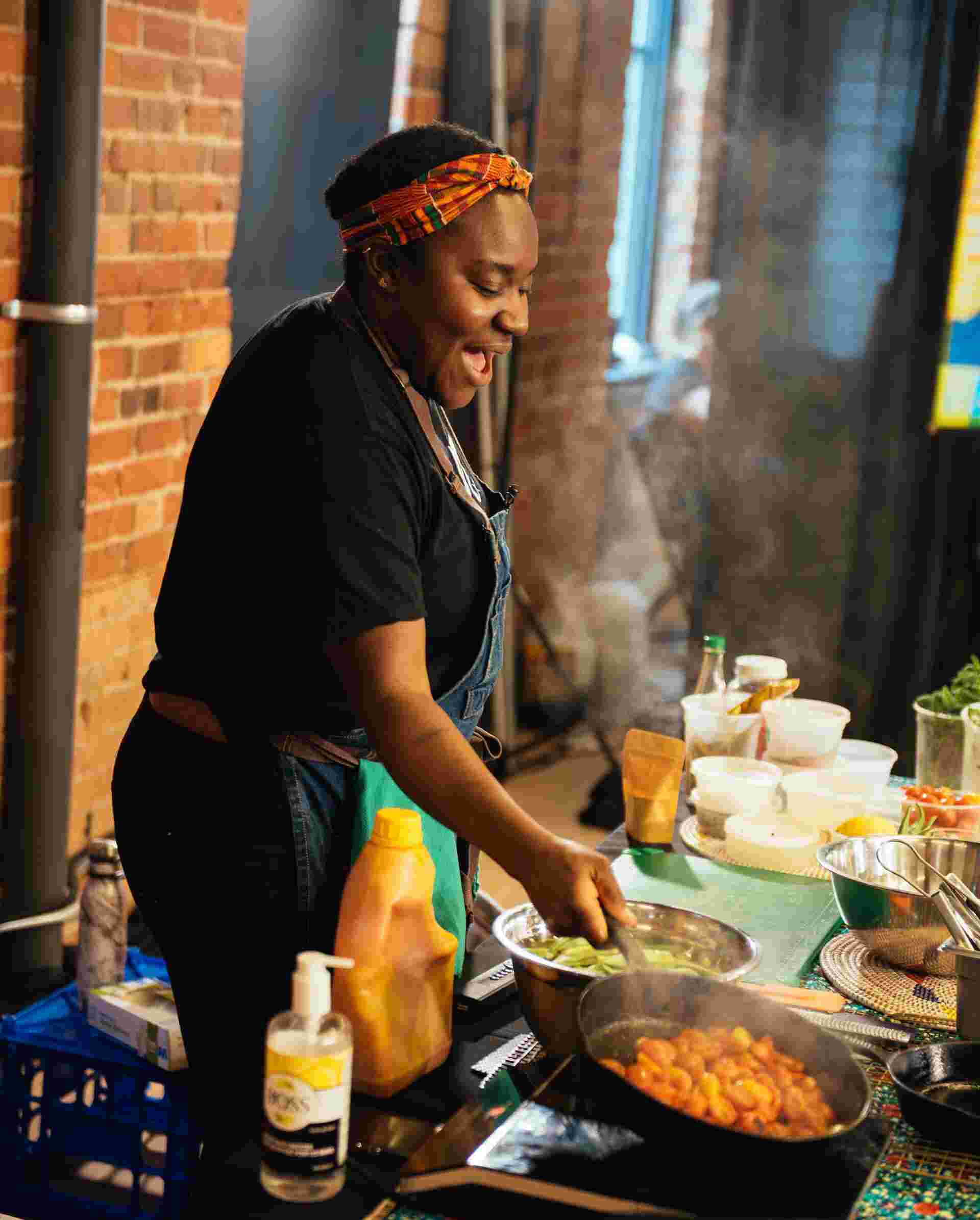
The Moment A meal shared with The Abibiman Project during Black History Month.

