The Starting Block 31
Starting Block Reflecting on this issue’s theme: sound and music.
BY BYRON ARMSTRONG
PHOTOS BY AARON WYNIA
For Canadian artist and curator Kara Hamilton, the musical instruments found in her studio are not really meant to be played. Discarded trumpets are turned into mysterious sculptures by casting them in bronze, their bells muted and their valves stilled.
In her role as L.L. Odette Sculptor in Residence, Hamilton collaborated with students at York University’s School of the Arts, Media, Performance & Design to create two sculptures for the Lassonde Art Trail, launching in 2026 at Toronto’s new Biidaasige Park. In this work, forms rise from the earth, one with a trumpet emerging from its ear, another with horns from its mouth. “They’re in conversation but silent conversation,” Hamilton says, “because sculpture is silent, but it’s also implying this negative sound.”
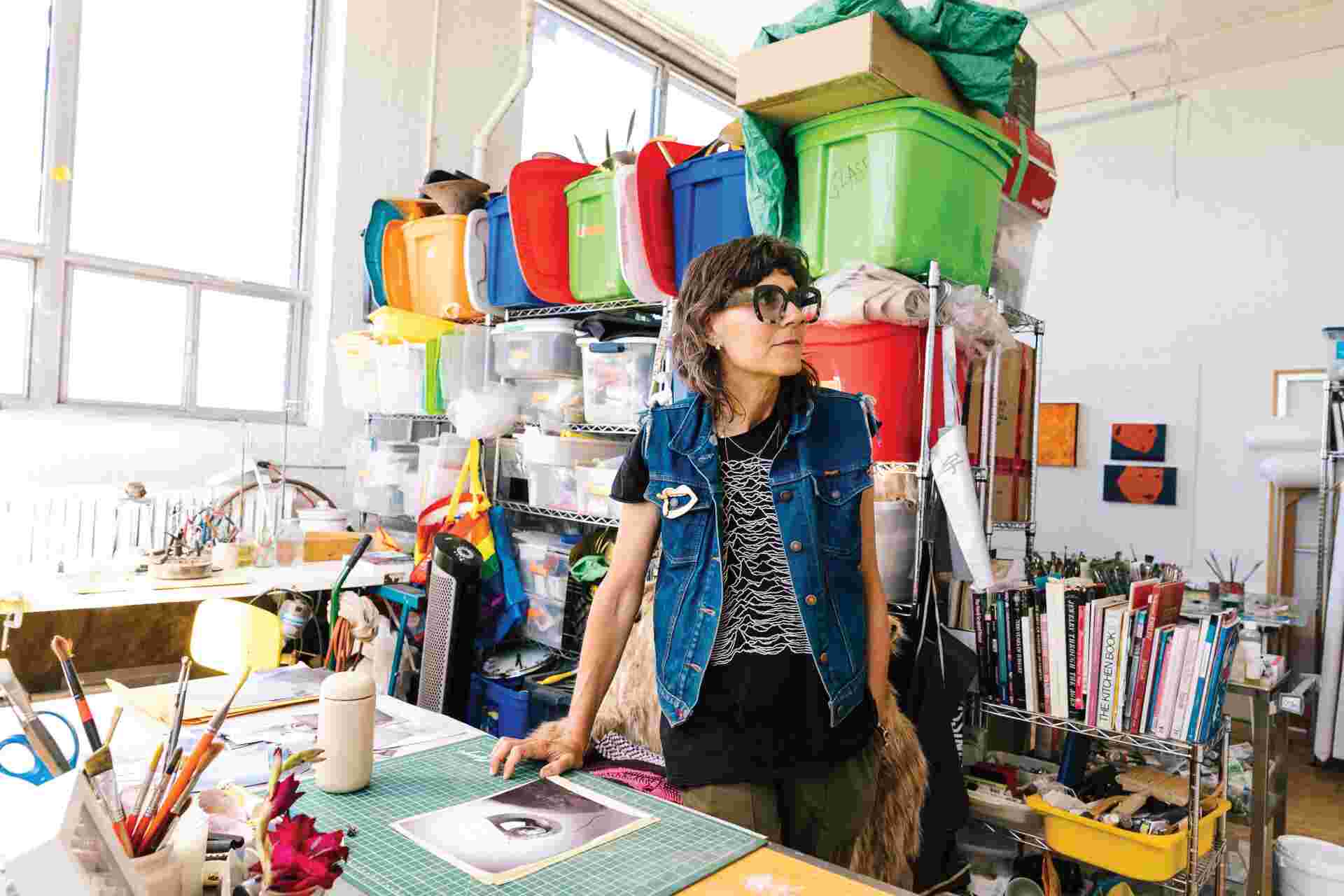
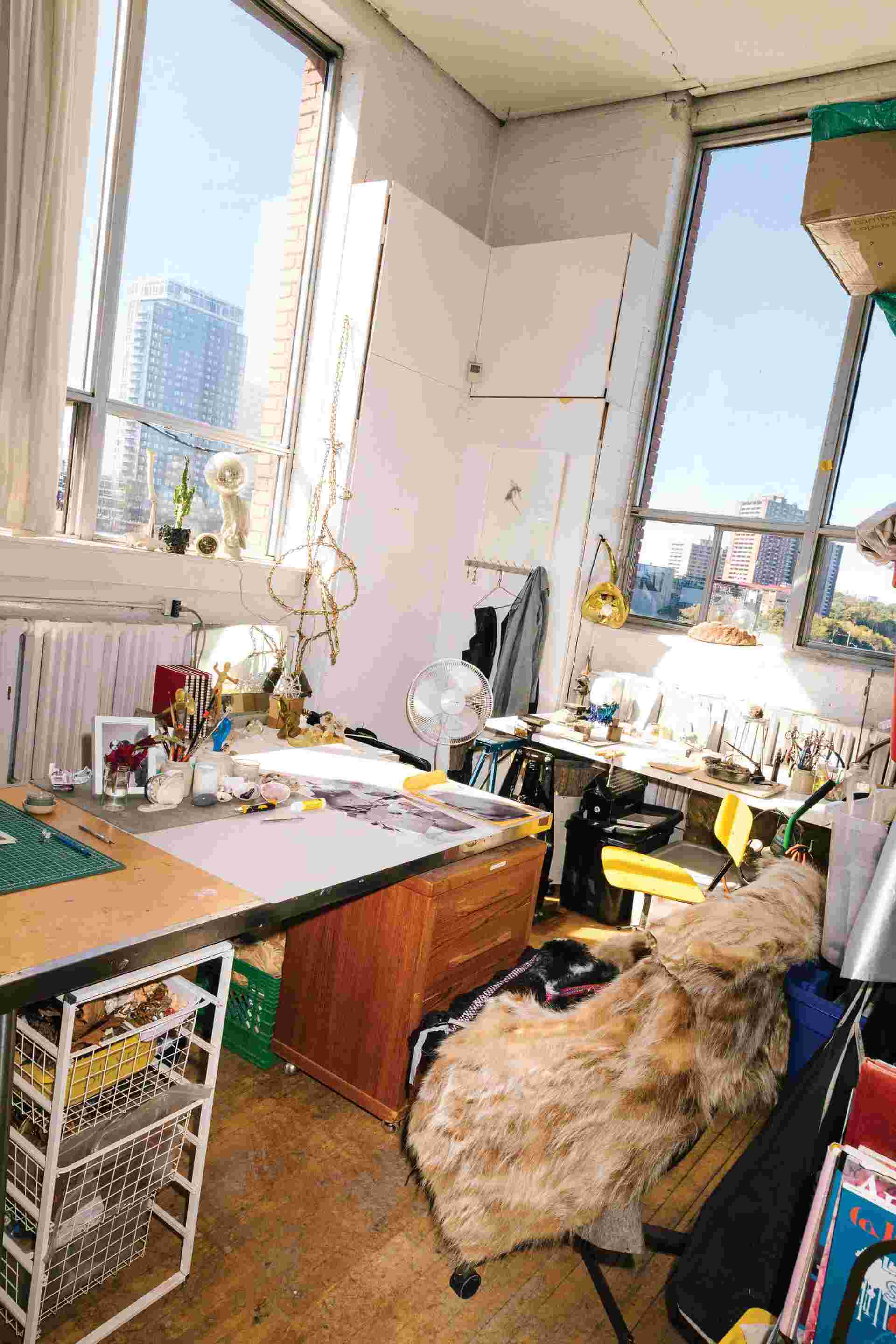
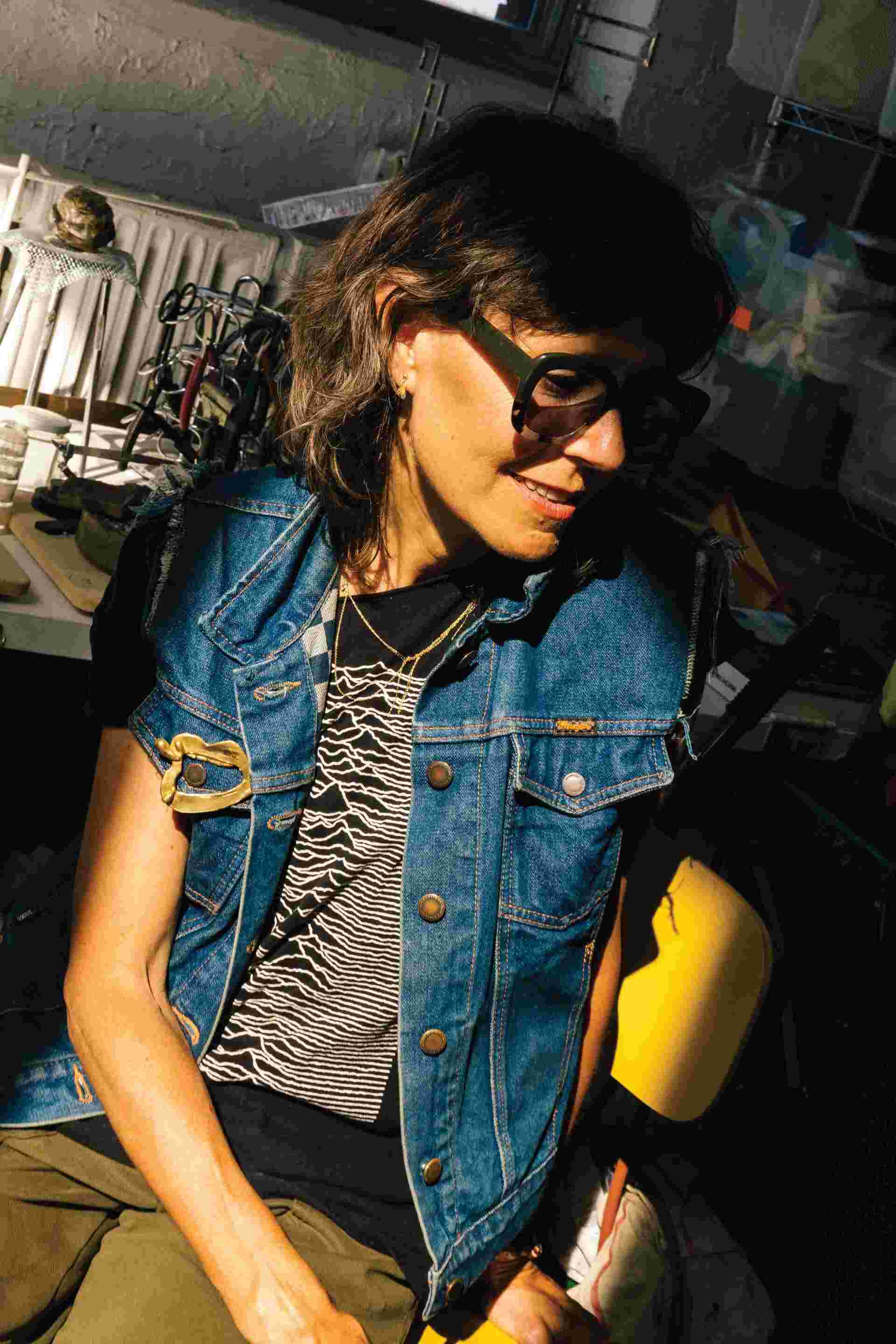
Kara Hamilton and her studio space in Toronto’s east end. A childhood visit to a Bauhaus artist’s studio—a sensory experience of colour, sound and smell—created a “safe and comfortable” place she has sought to recreate ever since.
The concept of presence and absence shows up frequently in Hamilton’s sculptural work, connecting to a broader theme of what she calls “hauntology”—an “always-present absence.” Serving as containers for “sound voids,” Hamilton’s sculptural shapes explore the power of resonance and absence and the quiet spaces between them and speak volumes about her lived experience straddling her studio and hospital rooms.
Hamilton’s artistic practice is deeply informed by her personal history as a multiple-time cancer survivor. Art and illness—or the art of living gracefully with a serious illness—is what makes her obsession with silent communication more than just an artistic decision. This reality is the foundation of her involvement with Co-Conspiracy Means (to) Breathe Together (CMBT), a curatorial collective she founded with fellow survivors and arts professionals Yan Wu, a curator, translator and writer who currently serves as the public art curator for the City of Markham, and Patricia Ritacca, an independent curator and arts educator who also serves as the art curator at the University Health Network’s (UHN) Princess Margaret Cancer Centre.
The collective’s name itself is an act of reclamation. “We actually talked about conspiring first,” Hamilton explains, “an aggressive term” for their mission to improve the art in hospitals. Discovering that the Latin root of “conspire” means “to breathe together” cemented the collective’s name. Their goal—a shared breath, a team effort to introduce quiet and introspection into situations that are frequently characterized by confusion and anxiety—was encapsulated by it.
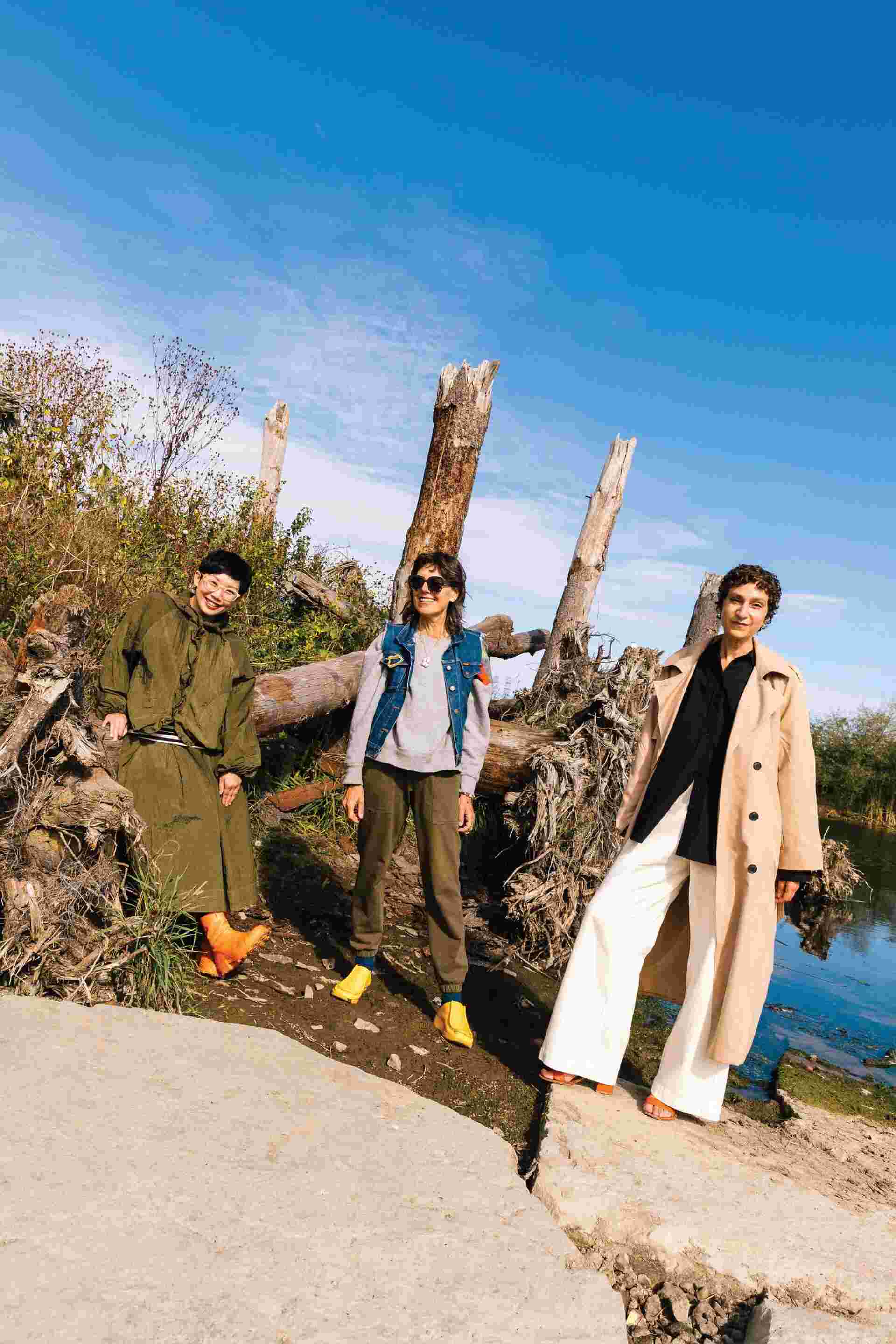
The three arts professionals, (left to right) Yan Wu, Hamilton and Patricia Ritacca, all cancer survivors, who formed the curatorial collective Co-Conspiracy Means (to) Breathe Together (CMBT) in 2024. Ritacca recalls watching her father, during a long hospitalization, calm down and become transported by the artworks she was installing. “It’s like a mental-health support,” she says, “soothing the nervous system, breathing, reflecting and bringing in other senses.”
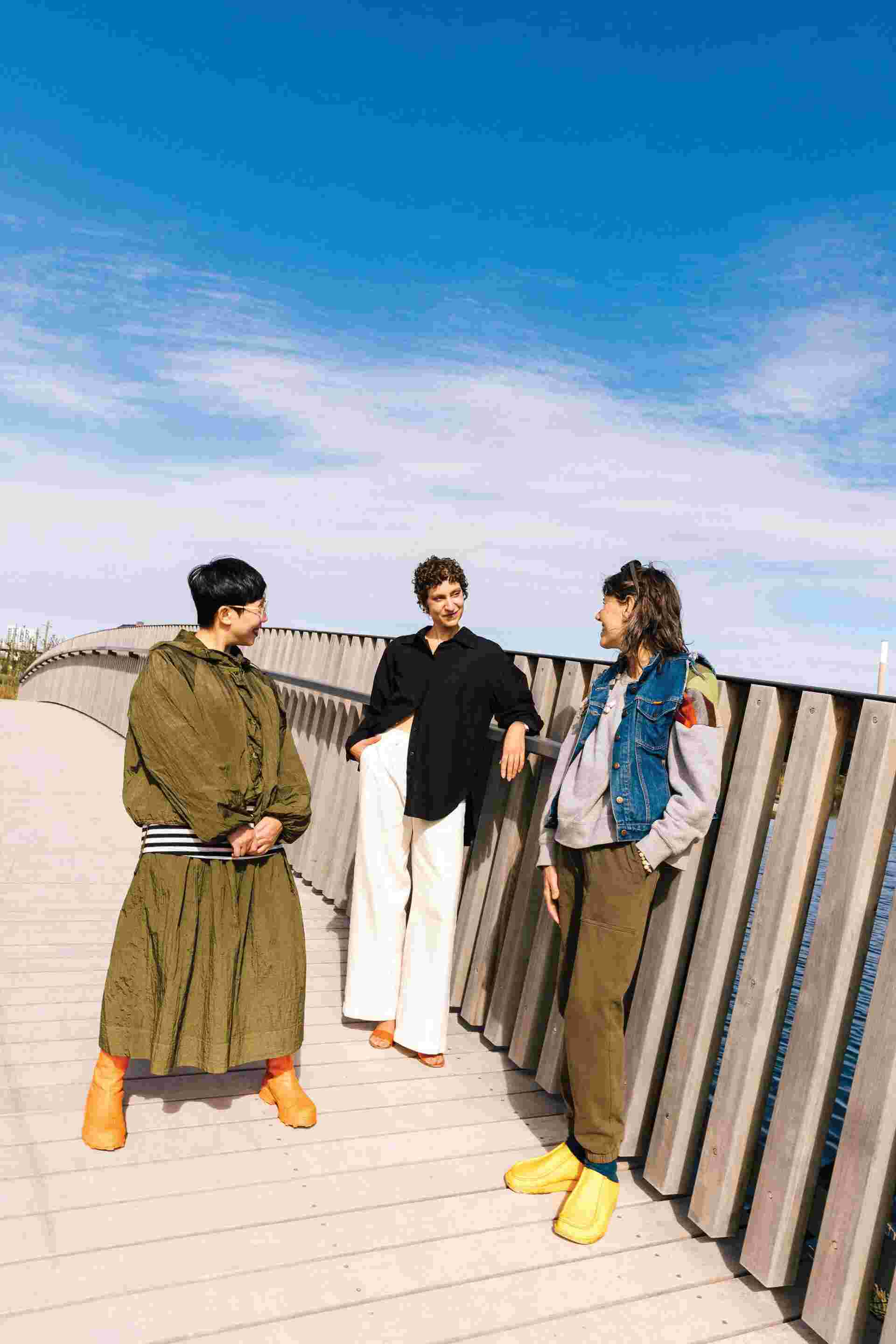
YAN WU, PATRICIA RITACCA AND KARA HAMILTON, BY AARON WYNIA, OCTOBER 2025, BIIDAASIGE PARK, TORONTO
The belief in art’s power to heal is personal for all three women, and CMBT aims to curate experiences that recognize the complex and multi-faceted realities of being a patient, not just to hang artwork on hospital walls. Having spent endless hours at medical facilities, they were frustrated by the art they saw. “The work tends to be super safe and really generic to avoid offending anyone,” says Ritacca. “Generic pink and floral vinyls can feel condescending and infantilizing for patients with gendered illnesses like breast cancer.” For Wu, the issue isn’t necessarily about the quality of the art in hospitals so much as experience: “Contemporary artworks that positively address the traumatic experience of being in the hospital setting are lacking or absent from the health-care environment, which is something we are delivering.”
Their inaugural installation, Between Leaf & Light, created by artist Scott Rogers and installed at the Royal Victoria Regional Health Centre in Barrie, Ont. fills a sun-drenched waiting area with a gentle, immersive chorus of bird songs. Here, the always-present absence of Hamilton’s sound void is reversed by Rogers’ CMBT-curated installation, where “the instrument” is absent but the sound is present. It’s a carefully researched intervention that challenges lazily curated landscapes through birdsong, which activates the parasympathetic nervous system and the vagus nerve, slows heart rates, relaxes muscles and promotes a state of calm. “I read recently that birds sing when the environment is safe,” Ritacca notes. “The waiting room is the perfect place to bring in this natural soundscape promoting security and a sense of peace and well-being.”
The collective conducted surveys with patients, worked closely with staff and clinicians and collaborated with the artist to remove more urgent bird calls that could signal danger versus the soothing birdsong that indicates safety. Introducing this nuanced approach into the scientific, evidence-based world of a hospital has been a deliberate process. The collective acts as a bridge, translating artistic intent into therapeutic benefit. The response, while sometimes mixed among staff who hear the piece daily, has been overwhelmingly positive from patients and many medical professionals.
“Generic pink and floral vinyls can feel condescending and infantilizing for patients with gendered illnesses like breast cancer.”
As such, CMBT is more than a curatorial project. It is the artistic outcome of their shared survival, where they have “conspired” to breathe together and create spaces of respite. They use art not just as a decorative distraction, but as a sophisticated tool for emotional regulation, leveraging the quiet power of a sound void or the gentle assurance of birdsong to offer a moment of peace.
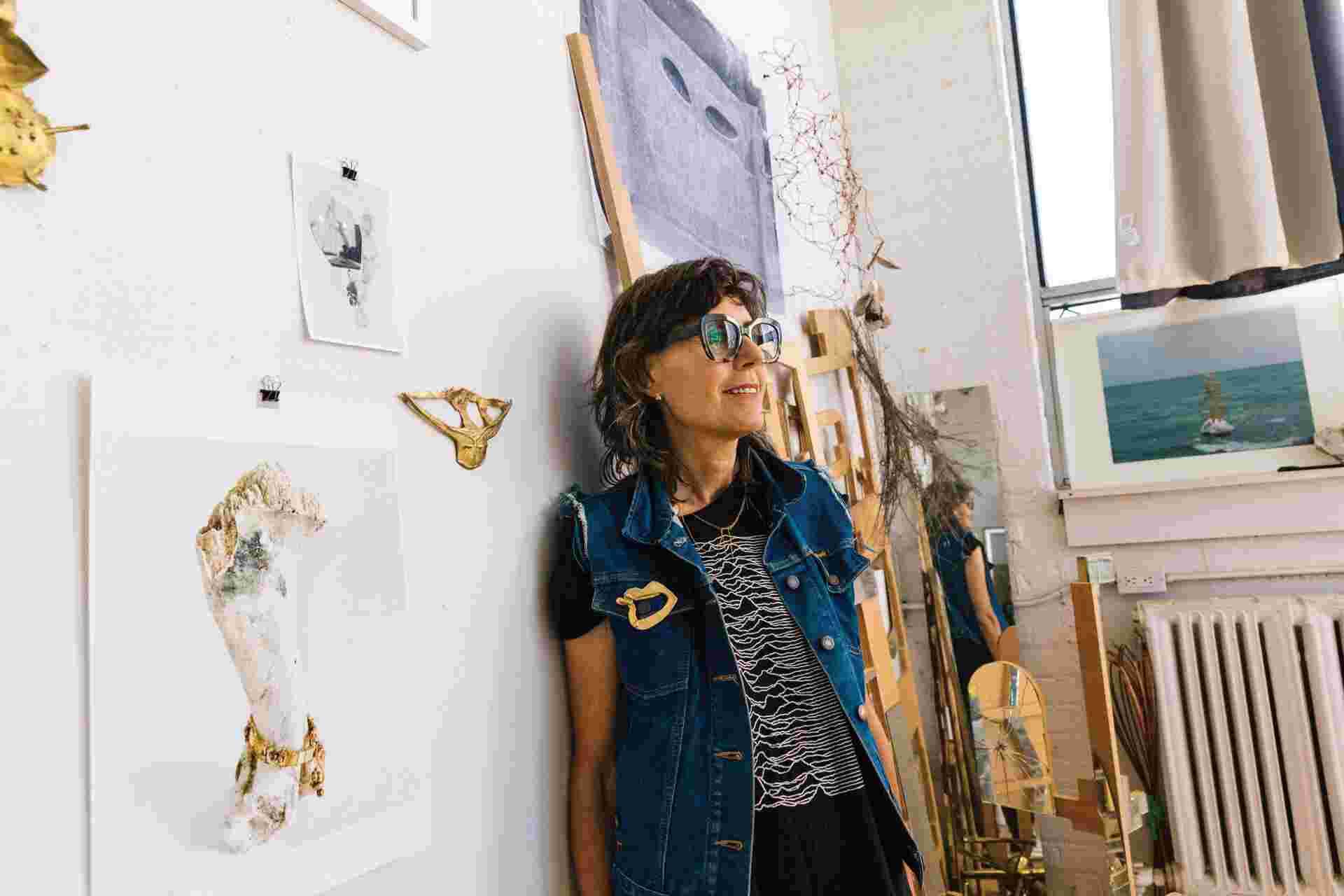
KARA HAMILTON
PHOTOS BY AARON WYNIA
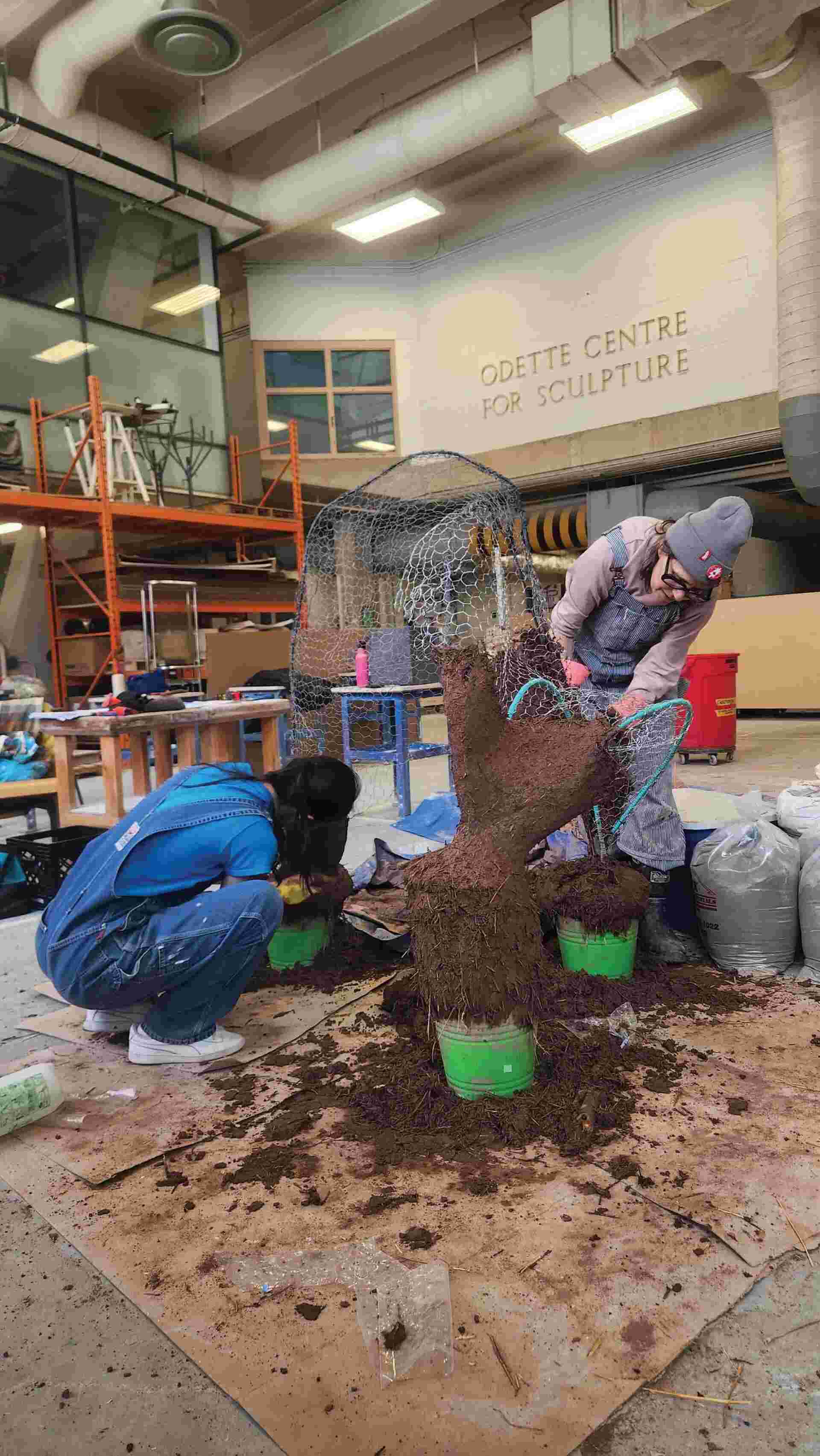
Photo by Adam Krop courtesy of Kara Hamilton
In her role as L.L. Odette Sculptor in Residence, Hamilton worked with students at York University’s School of the Arts, Media, Performance & Design to workshop built compositions using ecological materials similar to cob, made of clay, sand, straw and water, for use in a public art sculpture for the future Lassonde Art Trail.
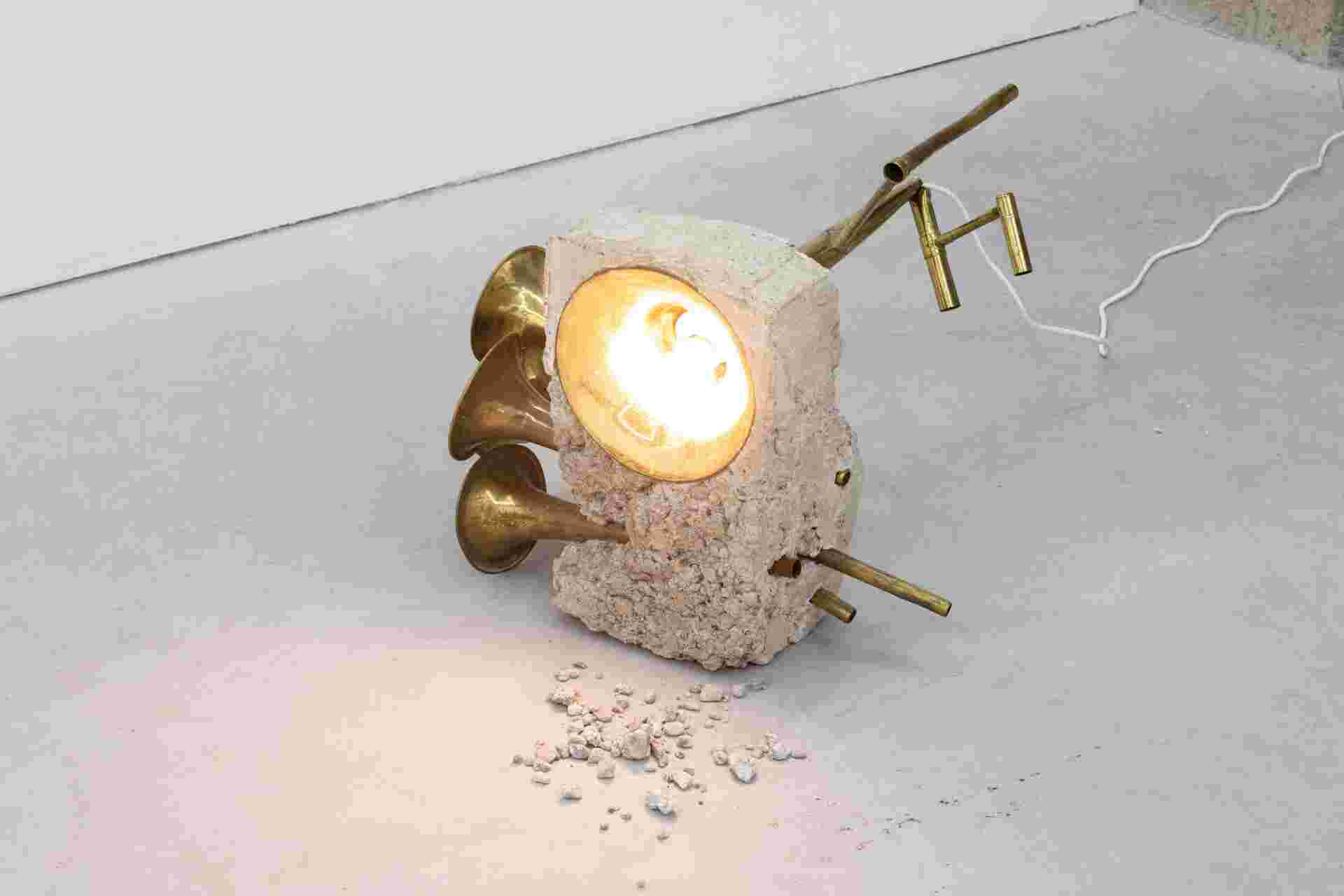
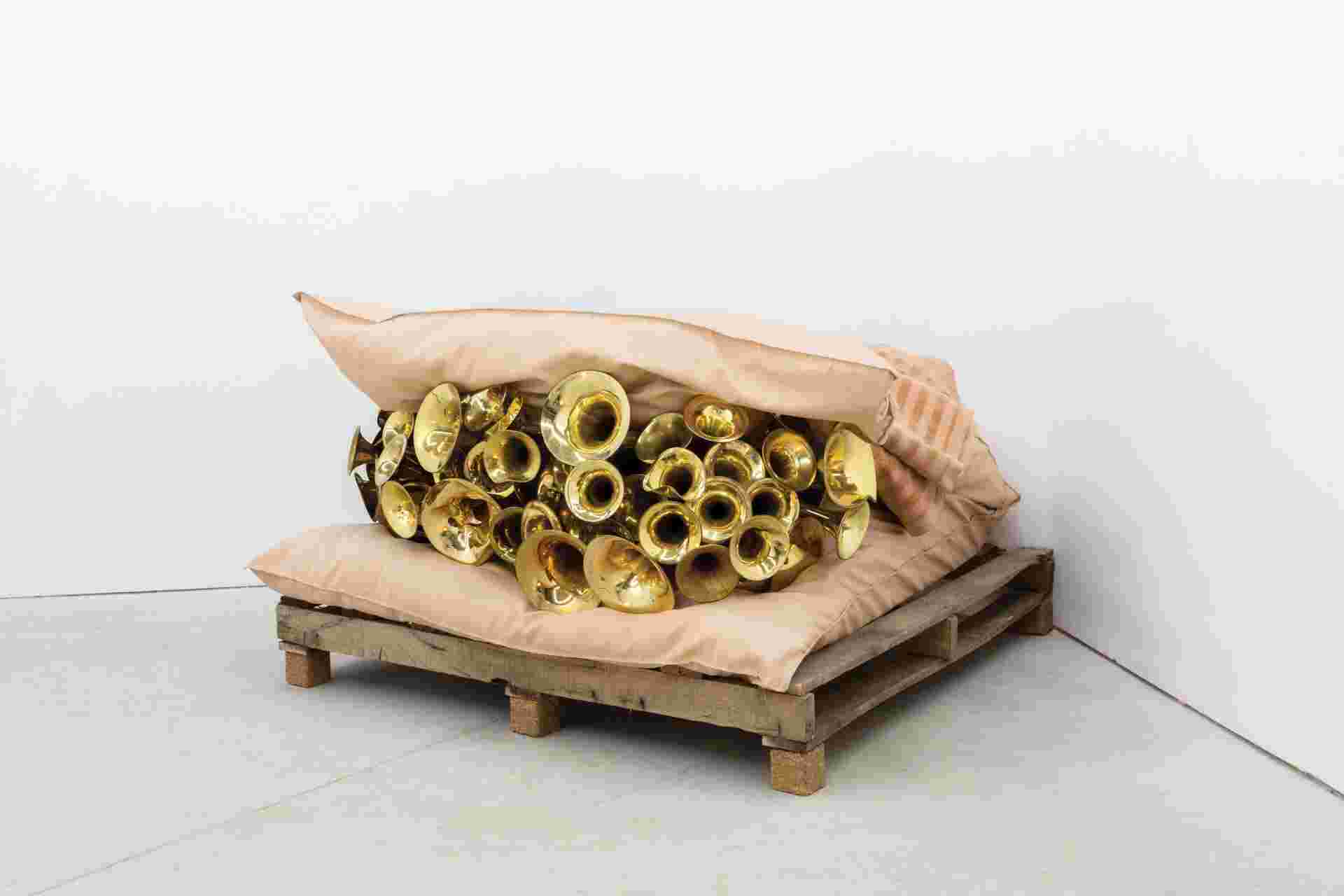
Photos courtesy of Kara Hamilton / Cooper Cole, Toronto
Sculptural works by Hamilton from the series Nothing is Wild, exhibited at the Cooper Cole Gallery in Toronto in 2019, incorporating discarded instruments, stilted and silent.
Starting Block Reflecting on this issue’s theme: sound and music.
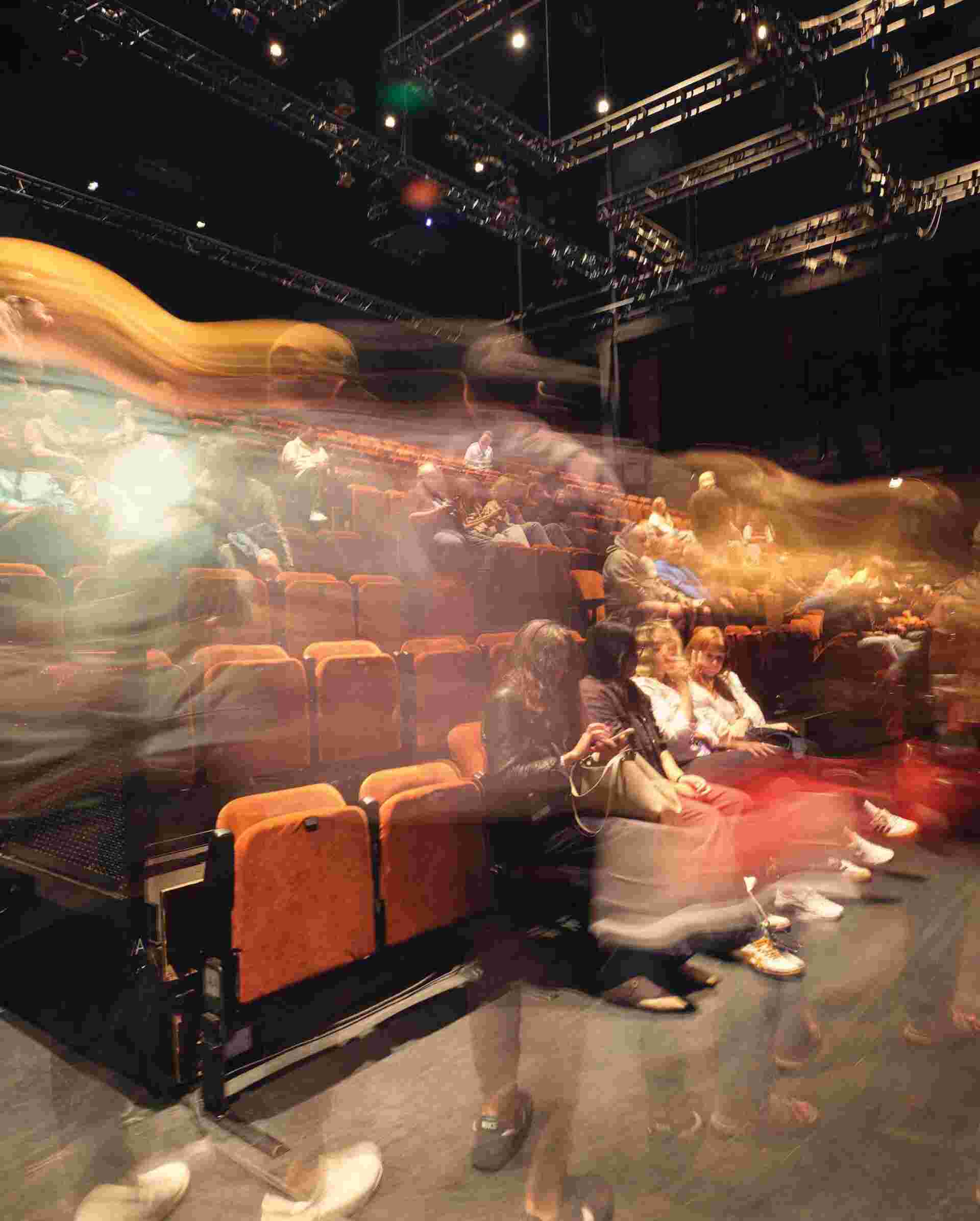
The Moment A live recording and conversation at The Grand in Calgary.
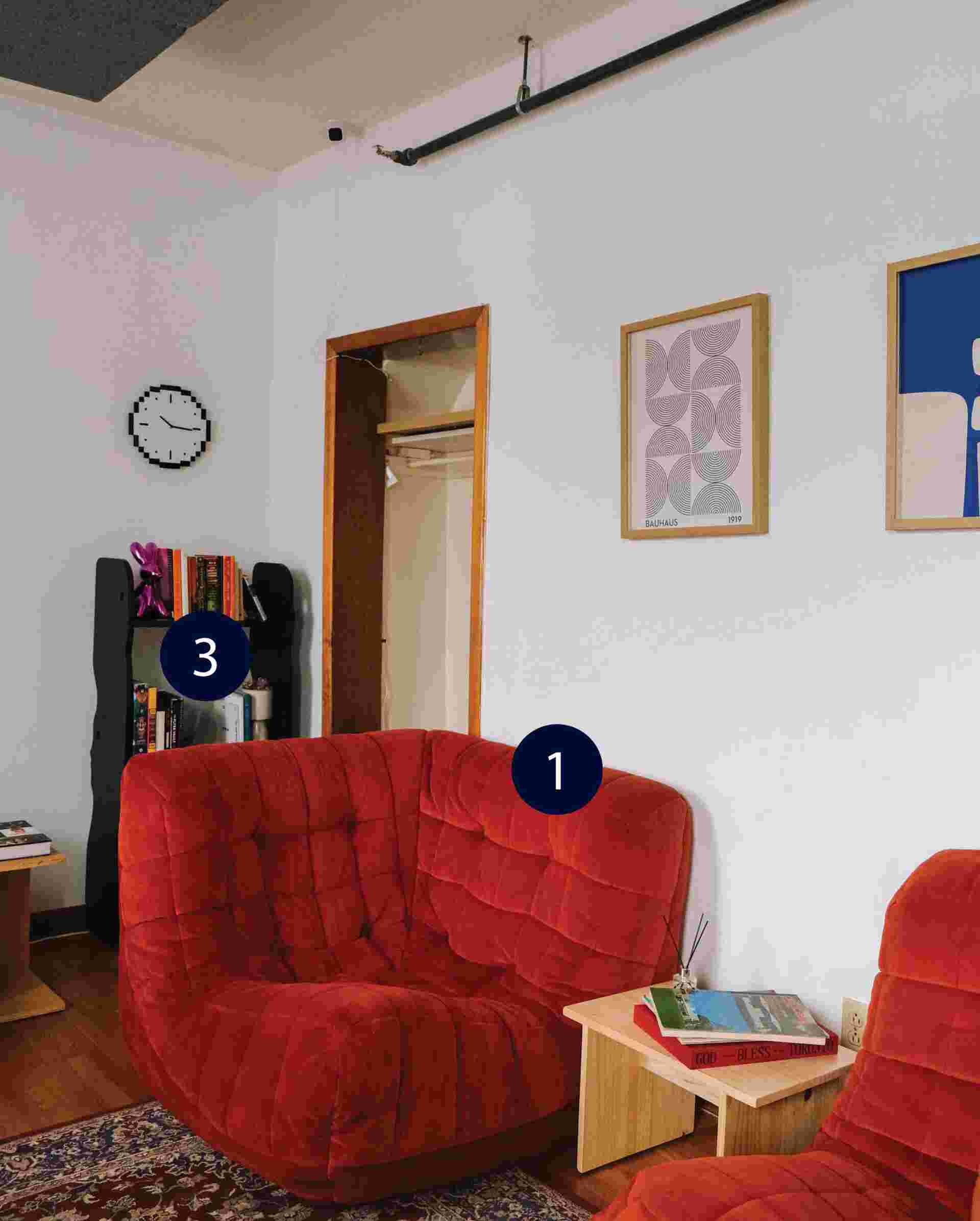
My Space A Toronto DJ rehearsal space that takes craft seriously.
The Business Making performance more accessible with the Inside Out Theatre’s Col Cseke.

